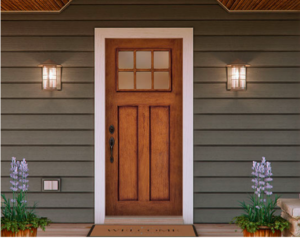
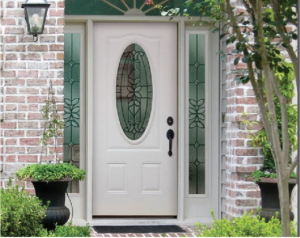
What Are Hurricane Impact Doors?
Hurricane impact doors, also called impact resistant doors, are exterior doors designed and tested to resist specified wind pressures and impacts from windborne debris, in accordance with applicable testing and rating standards. Unlike a standard exterior door, an impact door is specifically designed and tested to meet impact-resistance requirements.
The term covers a range of door types, including front entry doors, French doors, and sliding glass doors, as long as the door itself is built and rated to meet impact-resistance standards. These doors are also sometimes referred to simply as hurricane doors, particularly in Florida and other coastal areas where storm exposure is a regular consideration for homeowners.
Impact doors are typically part of a broader approach to protecting a home during hurricane season, often discussed alongside impact-rated windows and other storm-protection measures. The specific construction and rating of a given door can vary significantly between products, which is why understanding the materials and testing behind these doors matters before making a decision.
Materials Used in Hurricane Impact Doors
Hurricane impact doors are built from several different materials, and the choice affects how the door performs, how much upkeep it needs, and how it looks over time. Fiberglass is a common option because it resists corrosion and doesn’t expand or contract as much as some other materials in humid, coastal conditions, while still allowing for a range of finishes and styles.
Steel doors are valued for their strength and resistance to punching or denting, though they can be more prone to corrosion over time in salt-air environments unless properly coated or maintained. Aluminum is often used in impact-rated door and window systems as well, particularly for its combination of strength and relatively light weight, which can be an advantage in larger door configurations like sliding or French doors.
Wood is less common in fully impact-rated systems but can still appear in certain impact resistant doors, usually paired with reinforced cores or cladding to help it meet testing requirements. No single material is automatically the right choice for every situation, since the best fit depends on the specific door type, local conditions, and how the door will be used.


How Hurricane Impact Doors Are Rated and Tested
Impact ratings come from standardized testing rather than a general description of how sturdy a door looks or feels. In the most common form of large-missile impact testing, a door is struck with a heavy object, often a length of lumber, fired at a set speed to simulate windborne debris during a storm. The door and its glazing, if any, need to remain intact and stay in the frame afterward rather than failing under that impact.
Beyond debris impact, testing also accounts for design pressure, which measures how much wind force a door assembly can withstand without failing structurally. Design pressure requirements vary based on factors like a building’s location, height, and exposure to open water or wind, which is part of why the same door model isn’t automatically rated the same way everywhere it’s installed.
Doors that pass this kind of testing are typically documented through product approval listings or labels that reference the specific standards they were tested against. These requirements and the agencies that oversee them can differ by state and by jurisdiction, so a rating that applies in one location doesn’t necessarily carry over to another without separate verification.
How to Tell If a Door Is Already Impact-Rated
If you’re evaluating a door that’s already installed, whether in a home you’re buying or one you already own, there are a few ways to check whether it’s actually impact-rated rather than just heavy-duty in appearance. Many impact-rated doors carry a permanent label or etched marking, often on the door frame or on the glass itself if the door includes glazing, referencing the standard or approval it was tested under.
Product documentation can also help confirm a door’s rating. If the door was installed as part of a new build or a more recent renovation, permit records, product manuals, or installer paperwork may identify the specific door and its approval status. Local building departments sometimes maintain searchable product approval records as well, which can be useful if you have a model or approval number to check.
It’s worth being cautious about assuming a door is impact-rated simply because it looks substantial or because a previous owner mentioned it. Appearance alone doesn’t confirm a rating, and mismatched or missing labels are common enough in older installations that it’s generally worth verifying through documentation rather than assumption.
What to Consider When Choosing a Hurricane Impact Door
Choosing a hurricane impact door usually comes down to weighing several factors together rather than picking based on one alone. Door type matters first: an entry door, a sliding glass door, and a French door each have different structural considerations, and not every material or configuration performs identically across all three.
Material is a related but separate decision, since fiberglass, steel, aluminum, and wood each come with different tradeoffs around maintenance, corrosion resistance, and appearance, as covered earlier in this guide. Whatever material you’re considering, it’s worth confirming that the specific door and rating apply to your project’s location and requirements, since approval and design pressure requirements can vary by jurisdiction and by exposure.
Exposure and environment play into this as well. A door facing direct, unobstructed wind and salt air typically has different requirements than one in a more sheltered location, even within the same general region. Maintenance needs and appearance are also worth factoring in, particularly if the door is a highly visible entry point, since some materials require more upkeep than others to hold up over time.
Finally, it’s worth reviewing your specific project requirements before deciding, since local codes, insurance considerations, or a homeowners association’s rules may narrow down which options make sense. If you’re also researching general exterior door options as part of the same project, JMD Global’s exterior doors category covers a broader range of styles and configurations beyond impact-rated doors specifically.